
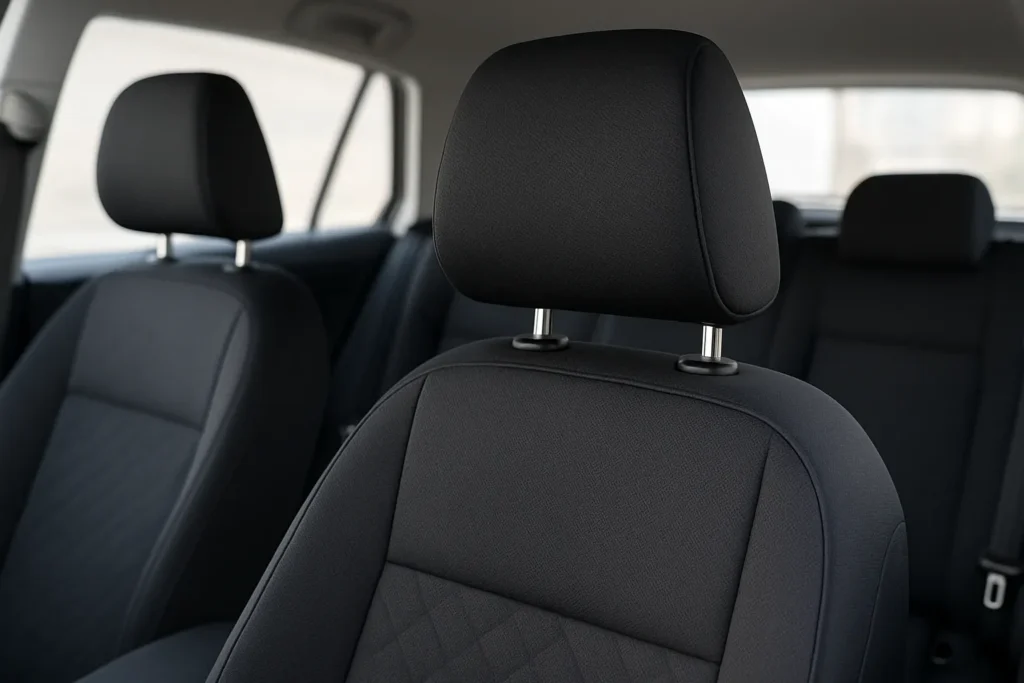
Selecting the Best Headrests for Cars: A Complete Guide for Automotive Retailers and Safety Features
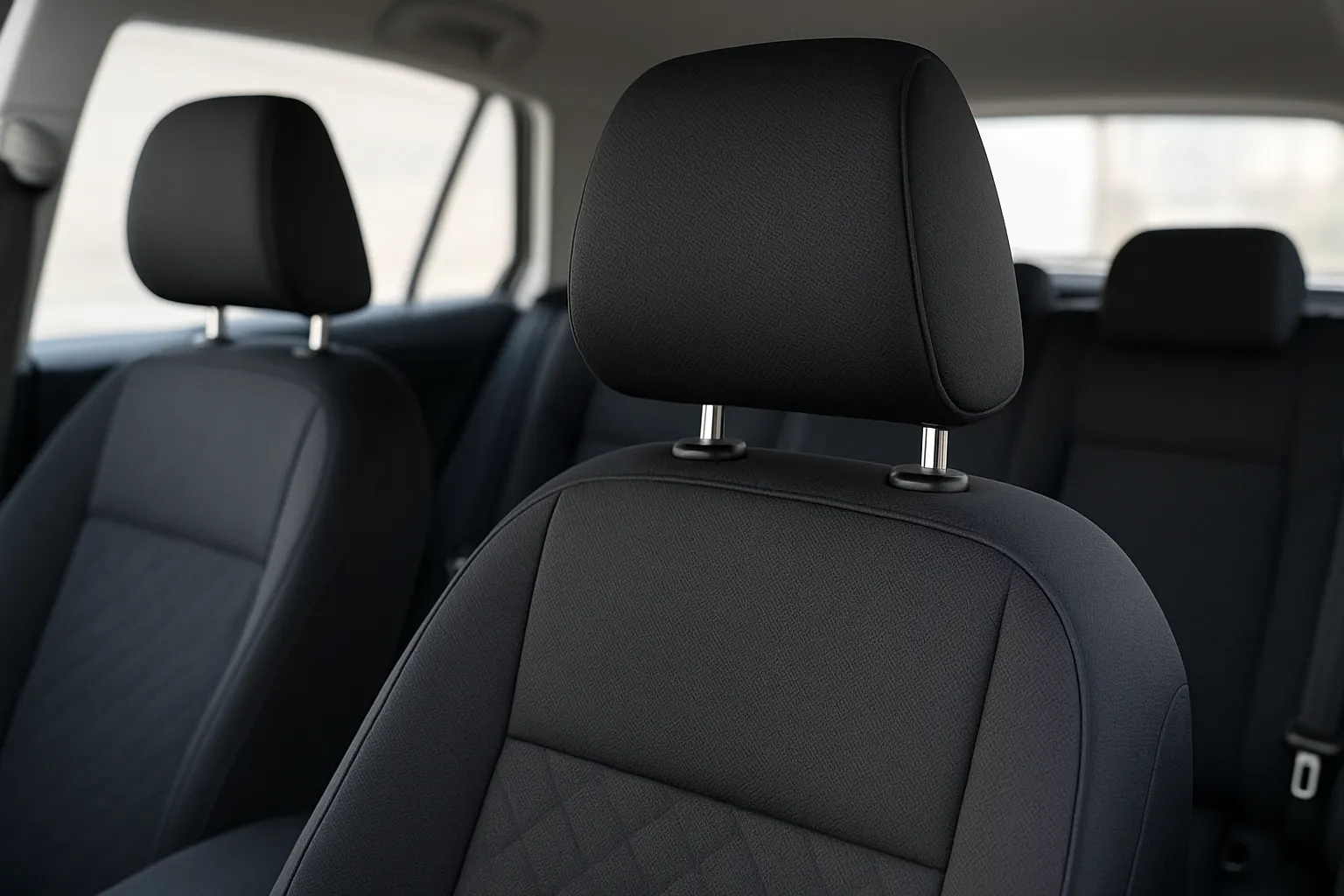
Headrests are not just a comfort feature in vehicles; they are vital safety components that play a significant role in preventing whiplash injuries during collisions. As automotive retailers, it’s essential to understand the importance of headrests in vehicle design and functionality. This knowledge enables you to offer quality automotive accessories that enhance both comfort and safety for your customers.
In recent years, the automotive accessories market has experienced substantial growth, largely due to consumer demand for improved vehicle comfort and safety features. This trend presents an excellent opportunity for retailers to offer a diverse selection of headrests tailored to meet various customer needs.
Specifications of Headrests
When selecting headrests for cars, there are several key specifications to consider to ensure they meet consumer expectations:
- Material Types and Durability: Headrests come in various materials, including foam, leather, and synthetic fabrics. Their durability is critical since they must endure daily wear while maintaining their appearance and functionality. High-quality materials not only enhance comfort but also contribute to the longevity of the product.
- Adjustable Features and Ergonomics: Ergonomically designed headrests with adjustable features can significantly improve passenger comfort. Retailers should prioritize headrests that can be easily modified in height and angle to accommodate different body types and preferences.
- Safety Standards and Compliance: Compliance with safety regulations set by automotive safety authorities is imperative. Retailers must ensure that the headrests they offer meet these standards, as doing so protects consumers and enhances the retailer’s reputation.
Use Cases for Headrests
Headrests serve multiple purposes across various automotive scenarios:
- Passenger Comfort and Safety: A comfortable headrest can significantly enhance the driving experience, especially during long journeys, reducing fatigue. Safety features that prevent head movement during collisions are also crucial.
- Customization Options for Different Vehicle Models: Different vehicle models may require specific headrest designs. Retailers can benefit from offering customizable headrests that fit various makes and models, thus catering to a broader customer base.
- Headrests for Commercial Vehicles: In commercial vehicles, headrests must be designed for durability and functionality, often accommodating multiple drivers and varying usage conditions. Retailers should consider headrests specifically tailored for these environments.
Comparison of Headrest Types
Understanding the different types of headrests available is essential for retailers:
- Fixed vs. Adjustable Headrests: Fixed headrests provide a standard level of comfort but lack the versatility of adjustable options. Adjustable headrests allow for a more personalized fit, which can be a significant selling point.
- Integrated vs. Detachable Headrests: Integrated headrests are built into the seat design, while detachable headrests can be removed for cleaning or replacement. Each type has its advantages, and retailers should consider customer preferences when stocking inventory.
- Comparison of Popular Brands: Familiarizing yourself with popular headrest brands can aid retailers in making informed purchasing decisions. Brands known for quality and reliability can enhance the retailer’s reputation and customer satisfaction.
Sourcing Headrests for Retail
Finding the right suppliers for headrests is crucial for automotive retailers:
- Identifying Reliable Suppliers: Retailers should seek suppliers with a proven track record in the automotive accessories market. This includes checking reviews, product quality, and compliance with safety standards.
- Evaluating Cost vs. Quality: Balancing cost and quality is vital. Retailers must consider whether lower-priced options compromise safety and comfort, as this could lead to customer dissatisfaction and returns.
- Bulk Purchasing Options: Retailers can often negotiate better pricing through bulk purchasing. Establishing relationships with suppliers can lead to favorable terms and increased profit margins.
Implementation in Retail Settings
Once headrests are sourced, effective implementation in retail settings is essential:
- Displaying Headrests Effectively: Creating an attractive and informative display can draw customer interest. Highlighting key features and benefits through signage can enhance understanding and encourage purchases.
- Educating Sales Staff on Features: Training sales staff on the various types and benefits of headrests ensures they can provide knowledgeable assistance to customers. This can lead to increased sales and improved customer service.
- Customer Engagement Strategies: Engaging customers through demonstrations, promotions, and educational content can enhance their shopping experience. Offering personalized recommendations based on their vehicle type can also boost sales.
Frequently Asked Questions
- How to Choose the Right Headrest? Consider factors such as material, adjustability, and compatibility with the vehicle model. Comfort and safety should be top priorities.
- What are the Latest Trends in Headrest Design? Current trends include ergonomic designs, integration of technology (such as built-in speakers), and eco-friendly materials.
- How to Handle Customer Returns and Complaints? Establish a clear return policy and ensure that staff are trained to handle complaints professionally. Understanding customer needs and providing solutions can enhance satisfaction.
Conclusion
Choosing the right headrests for cars is a multifaceted process that involves understanding specifications, use cases, and sourcing strategies. By focusing on quality, comfort, and safety, automotive retailers can offer valuable products that meet the demands of today’s consumers. As the automotive accessories market continues to evolve, staying informed about trends and customer preferences will be key to success. For further insights on headrests, you can refer to this industry reference on AZoM.